



1. TPR Sole (Thermoplastic Rubber)
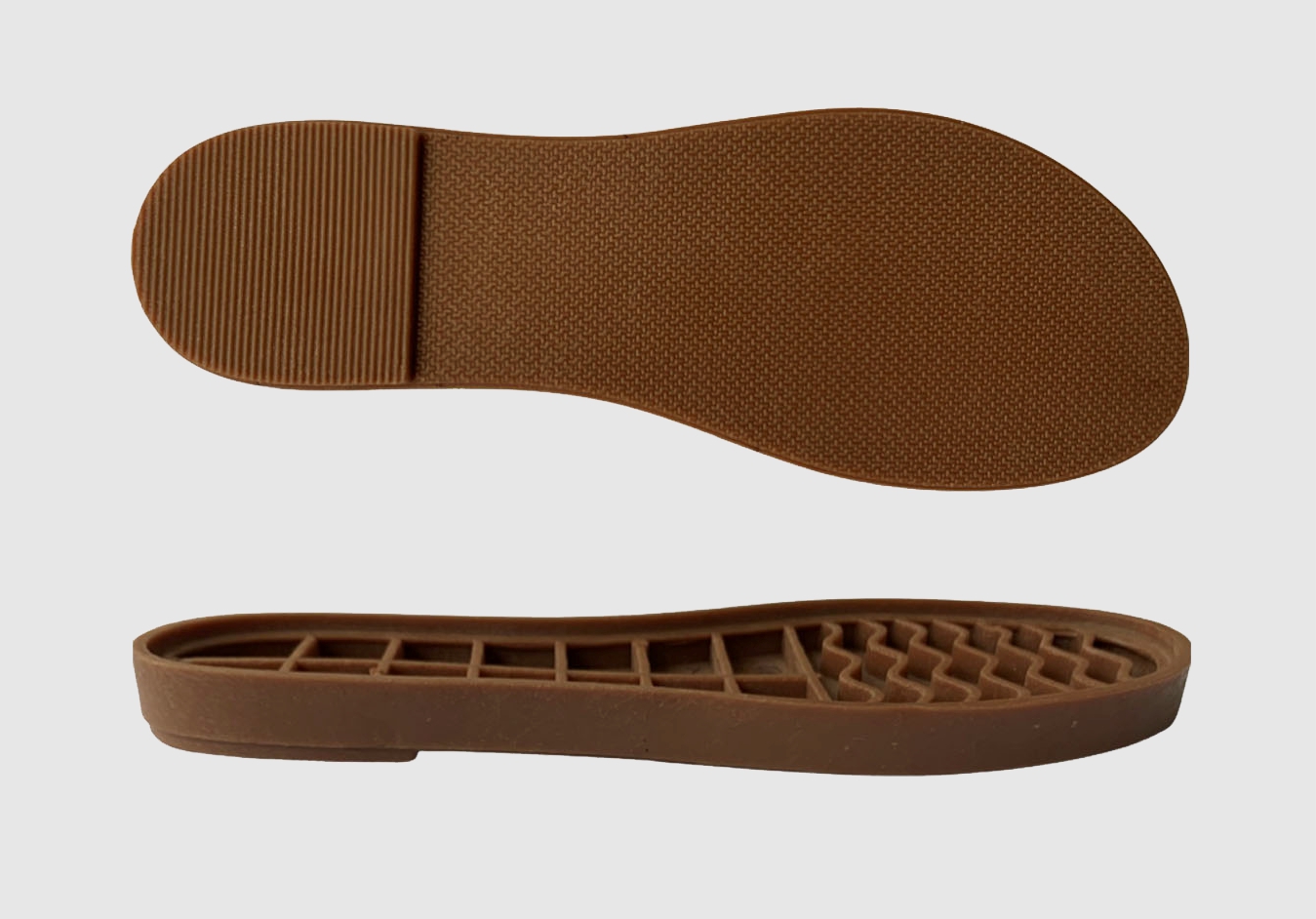
TPR (Thermoplastic Rubber) is one of the most commonly used sole materials in casual and affordable footwear.
It combines the flexibility of rubber with the lightweight nature of plastic.
✅ Advantages
-
Good flexibility
-
Decent grip
-
Affordable cost
-
Comfortable for daily wear
❌ Disadvantages
-
Not as durable as rubber
-
Not ideal for heavy sports use
Best Use
-
Daily wear shoes
-
Casual footwear
-
Sandals & slippers
-
Budget-friendly shoes
2. PU Sole (Polyurethane Sole)
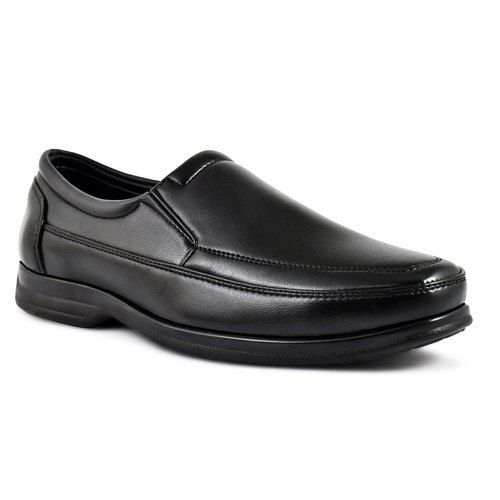
PU (Polyurethane) soles are known for their premium feel, comfort, and durability.
They are widely used in formal, office, and high-quality casual footwear.
✅ Advantages
-
Very comfortable
-
Long-lasting
-
Lightweight compared to rubber
-
Premium finish
❌ Disadvantages
-
Slightly expensive
-
Can crack after many years if not used
Best Use
-
Formal shoes
-
Office wear
-
Premium loafers
-
Long working hours footwear
3. Phylon Sole
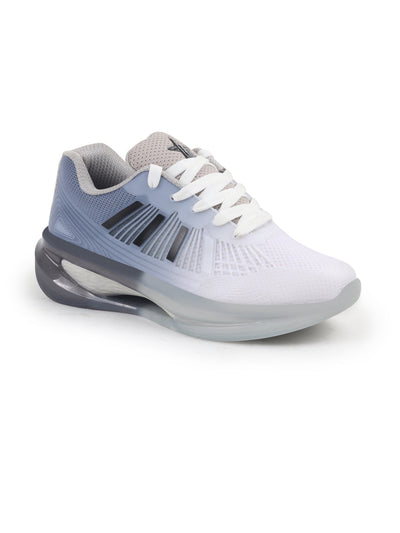
Phylon is a lightweight foam material mostly used in sports and running shoes.
It provides excellent cushioning and shock absorption.
✅ Advantages
-
Very lightweight
-
Excellent cushioning
-
Comfortable for walking & running
-
Shock absorbing
❌ Disadvantages
-
Less durable on rough surfaces
-
Grip depends on outsole design
Best Use
-
Running shoes
-
Walking shoes
-
Gym shoes
-
Travel footwear
4. Rubber Sole

Rubber soles are known for their strong grip and durability.
They are commonly used in sports shoes, work shoes, and outdoor footwear.
✅ Advantages
-
Excellent grip
-
Very durable
-
Slip-resistant
-
Good for rough use
❌ Disadvantages
-
Heavier than other soles
-
Can be slightly stiff
Best Use
-
Sports shoes
-
Outdoor footwear
-
Work shoes
-
Anti-slip shoes
Which Sole Should You Choose?
| Use | Best Sole |
|---|---|
| Daily wear | TPR / PU |
| Office wear | PU |
| Running / Gym | Phylon |
| Outdoor / Rough use | Rubber |
| Lightweight comfort | Phylon |
| Long lasting | Rubber / PU |
Final Thoughts
Choosing the right sole is as important as choosing the right shoe design.
If you want comfort for daily wear, go for TPR or PU.
If you need lightweight cushioning, Phylon is the best choice.
If durability and grip matter the most, Rubber soles are the strongest option.
Understanding these differences helps you pick footwear that not only looks good but also keeps your feet comfortable all day.